

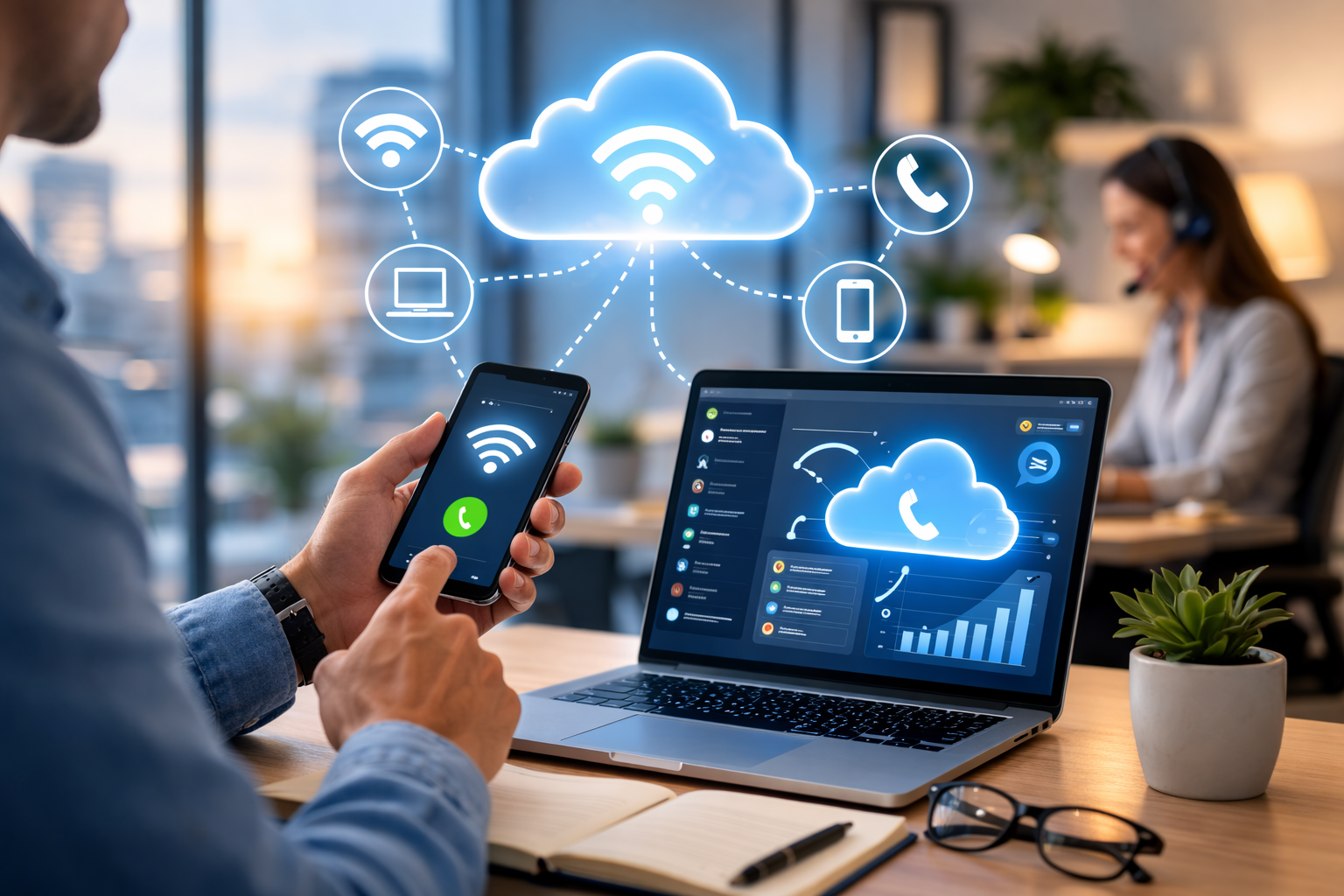
Business communication has evolved quickly in recent years. Employees now work across offices, from home, and on the road. Customers expect fast responses and a professional experience every time they call.
To keep up with these expectations, many organizations are upgrading their communication systems. Instead of relying on traditional phone hardware, businesses are adopting cloud-based phone systems that allow teams to stay connected from anywhere.
A cloud phone system helps organizations operate with more flexibility, smoother communication, and greater adaptability as they grow.
For companies looking to modernize their communications, Document Solutions offers secure, reliable VOIP and managed voice solutions designed to support modern workplaces.
What Is a Cloud Phone System?
A cloud phone system, often delivered through VOIP (Voice over Internet Protocol), routes business calls over the internet instead of traditional phone lines.
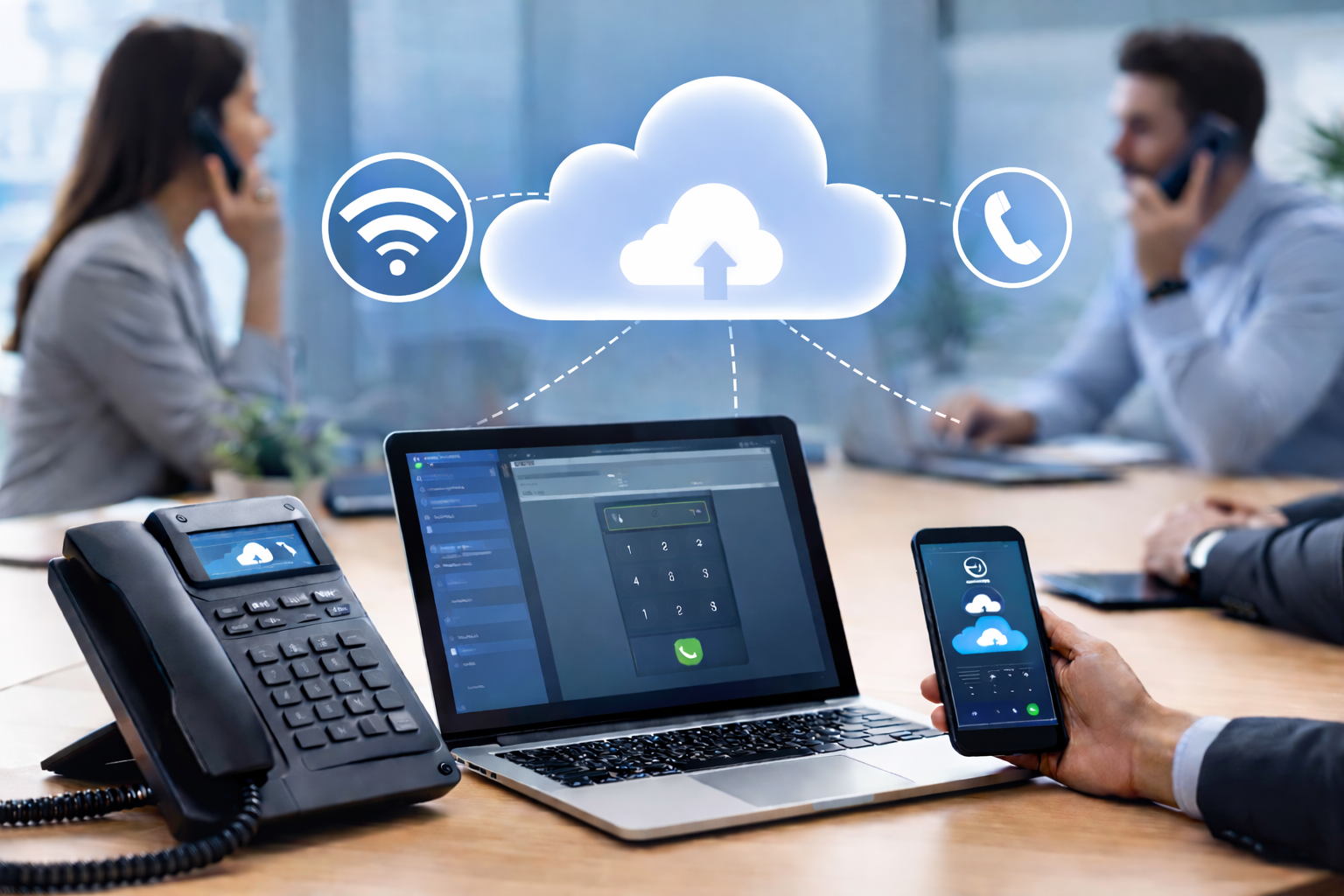
Instead of relying entirely on on-site phone equipment, the core technology is hosted securely in the cloud. Employees can still use desk phones if they prefer, but they can also access the system through laptops, mobile devices, or softphone applications.
This approach gives businesses access to powerful communication tools while reducing the limitations that come with older phone infrastructure.
Common cloud phone features often include:
- Auto attendants and call menus
- Call routing and call forwarding
- Voicemail to email
- Mobile and desktop calling apps
- Extension dialing between employees
- Business texting and messaging
- Easy user additions and system updates
Why Business Flexibility Matters Today
Businesses today need communication tools that can adapt quickly.
A company may open a new location, add employees, expand into hybrid work, or support staff who travel frequently. Traditional phone systems were designed for fixed office environments, which can make changes slower and less convenient.
Cloud-based phone systems remove many of those limitations. They allow businesses to scale more easily, support remote work, and keep teams connected without relying on one physical office.
This flexibility allows organizations to focus more on serving customers and less on managing outdated infrastructure.
Cloud Phone Systems vs Basic Phone Systems
Many businesses still rely on basic phone systems that were designed years ago for simpler office environments. While those systems can still make and receive calls, they often lack the flexibility modern teams need.
Cloud phone systems improve on these limitations in several important ways.
Greater Mobility
Traditional systems are typically tied to a physical desk phone in a specific office location.
Cloud phone systems allow employees to answer business calls from multiple devices, including desk phones, laptops, and smartphones. This makes it easier for teams to stay reachable whether they are in the office, working remotely, or traveling.

Easier Growth
Adding users or expanding a traditional phone system can require new hardware and more complex configuration.
Cloud systems are designed to grow with the business. New users, extensions, and departments can often be added quickly without installing additional physical equipment.
More Advanced Features
Basic systems often provide limited functionality beyond dialing and voicemail.
Cloud phone systems typically include features that help businesses manage calls more effectively, such as intelligent call routing, auto attendants, voicemail transcription, and mobile applications that extend the office phone system beyond the building.
Simplified Management
Updating traditional phone systems often requires specialized support or on-site adjustments.
With a cloud system, many changes can be handled through centralized management tools. This makes it easier for businesses to update call flows, greetings, or user settings as needs evolve.
Instead of replacing the entire phone environment every few years, cloud systems allow communication technology to evolve alongside the business.
Supporting Hybrid and Remote Teams
Hybrid work is now a common part of business operations. Even companies with primarily in office teams often need flexibility for remote work, travel, or multi location coverage.
Cloud phone systems support this environment by allowing employees to access the same communication tools regardless of location.
For example, employees can:
- Make business calls from their laptop or mobile device
- Access voicemail messages remotely
- Transfer calls to teammates in other locations
- Stay connected through the same company phone system
This consistency helps teams collaborate more effectively while maintaining a professional presence for customers.
Improving the Customer Experience
Customers expect quick answers and smooth communication when they call a business.
Cloud phone systems help organizations manage incoming calls more intelligently so customers reach the right person faster.
Features such as auto attendants, call routing, and department extensions allow businesses to organize their call flow in a way that feels efficient and professional.
This can help businesses:
- Reduce missed calls
- Direct customers to the correct department faster
- Maintain coverage during busy periods
- Provide consistent communication across multiple locations
A more responsive phone system creates a better experience for both customers and employees.
Unified Communication Across Locations
Businesses with multiple offices often face communication challenges if each location operates independently.
Cloud phone systems can unify communication across offices by creating one centralized phone environment. Employees can easily dial extensions between locations, and customers experience one consistent entry point to the company.
This unified approach can help businesses:
- Present a more professional brand image
- Share call coverage across teams
- Simplify internal communication
- Improve collaboration between locations
For growing companies, this type of communication consistency becomes increasingly valuable.
Stronger Business Continuity
Unexpected disruptions can happen in any workplace. Severe weather, office maintenance, travel delays, or temporary closures can all impact normal operations.
Because cloud phone systems are not tied to a single physical location, businesses often have more flexibility to keep communication running during these situations.
Calls can be routed to mobile devices or alternate locations, helping teams remain reachable even if the primary office is unavailable.
This added resilience helps businesses maintain continuity and customer responsiveness.
What Happens If the Internet or Wi Fi Goes Down?
One common question businesses ask about cloud phone systems is what happens if the office internet connection or Wi Fi becomes temporarily unavailable.
Because cloud phone systems are hosted off site rather than on a physical phone server inside the office, they can provide more flexibility during an outage than many traditional systems.
In many cloud environments, calls can still be redirected to alternate destinations such as:
- Mobile phones
- Another office location
- A backup number
- Voicemail with email notifications
This means customers can still reach your business even if the primary office connection is temporarily interrupted.
Instead of communication stopping completely when an on-site phone system loses connectivity, cloud-based systems often provide additional routing options that help businesses stay reachable and responsive.
Why Managed Voice Solutions Matter
Technology works best when it is designed around real business workflows.
While cloud phone systems offer powerful features, implementing them effectively requires thoughtful setup, clear call routing strategies, and reliable support.
That is where managed voice solutions can provide additional value.
Document Solutions helps businesses deploy communication systems that are built around their daily operations. Our VOIP and managed voice solutions are designed to deliver reliable performance while giving organizations the flexibility they need to operate efficiently.
By combining modern technology with experienced support, businesses can build a communication environment that grows with them.
FAQ: Cloud Phone Systems for Business
What is the main advantage of a cloud phone system?
The main advantage is flexibility. Cloud systems allow businesses to manage calls across multiple devices and locations while providing advanced communication features.
Do cloud phone systems require desk phones?
Not necessarily. Employees can often use desk phones, mobile devices, laptops, or desktop softphones depending on their preferences.
Are cloud phone systems useful for small businesses?
Yes. Small and mid-sized businesses often benefit from the scalability and professional features cloud systems provide without needing large on-site phone infrastructure.
How do cloud systems support remote work?
Employees can access the phone system through mobile or desktop applications, allowing them to make and receive business calls from almost anywhere.
Can cloud phone systems grow with a business?
Yes. One of their biggest advantages is scalability. Businesses can add users, departments, or locations more easily than with many traditional phone systems.
Build a More Flexible Communication System
As businesses grow and workplaces evolve, communication systems need to keep pace.
Cloud phone systems help organizations stay connected across locations, support hybrid teams, and deliver a more responsive experience for customers.
If your current phone setup feels limited or outdated, upgrading to a cloud-based solution may be the next step toward greater flexibility.
Explore our managed voice solutions like Elevate, Intermedia Contact Center, and connect with Document Solutions to find a cloud communication platform that supports the way your business works. Learn more by calling (888) 880-3377 or by filling out the form below!
- Categories: