
Cybersecurity is often discussed in terms of firewalls, antivirus software, backups, and monitoring tools. Those are all important. But for most businesses, security also depends on something more basic: whether employees know how to recognize threats and respond appropriately.
That is why employee cybersecurity training matters.
Even a well-managed technology environment can be put under pressure by phishing emails, fake login pages, suspicious attachments, weak passwords, or careless data handling. Training helps employees become more confident, more aware, and more prepared to support the security of the business every day.
For business leaders, the goal is not to make employees fearful. It is to make them capable. Good cybersecurity training turns staff into an active part of a stronger, healthier, more resilient workplace.
At Document Solutions, we help organizations strengthen their technology environments through Managed IT Services designed to support security, productivity, and long-term stability.
Why Employee Cybersecurity Training Matters
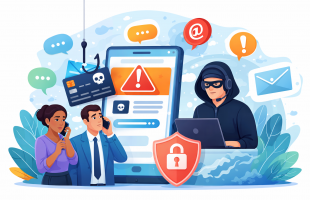
Most cyber threats do not begin with a dramatic system failure. They often begin with ordinary actions:
- Clicking a link in an email that looks legitimate
- Reusing a weak password
- Sending sensitive information to the wrong person
- Downloading an unverified file
- Logging into a company account on an unsecured device or network
These situations are common because modern work is fast-paced. Employees are moving quickly, answering messages, opening documents, and handling information throughout the day. Cybersecurity training helps them slow down just enough to make better decisions without slowing down business.
When employees understand what to watch for, they are more likely to:
- Spot suspicious emails before clicking
- Report unusual activity quickly
- Handle company data more carefully
- Follow secure login and password practices
- Support compliance and internal security policies
That makes training a practical business investment, not just an IT recommendation.
Cybersecurity Is Stronger When People and Technology Work Together
Security tools are essential, but tools alone are not enough. Businesses also need users who know how to work safely within the systems they use every day.
That is where training becomes so valuable.
A business may have email filtering, endpoint protection, secure backups, and network monitoring in place. But if an employee does not recognize a phishing attempt or shares credentials in the wrong place, risk can still enter the organization. Training helps close that gap.
The strongest security posture usually comes from combining:
Technical protection
This includes tools and services such as monitoring, patching, endpoint security, secure access controls, and backup strategies.
Human awareness
This includes teaching employees how to identify red flags, follow best practices, and report concerns early.
Ongoing reinforcement
Cybersecurity is not a one-time lesson. Regular reminders and updated guidance help employees stay sharp as threats and tactics evolve.
Businesses that invest in both technology and user awareness are often better positioned to reduce avoidable mistakes and respond more effectively when something unusual happens.
What Employee Cybersecurity Training Should Cover
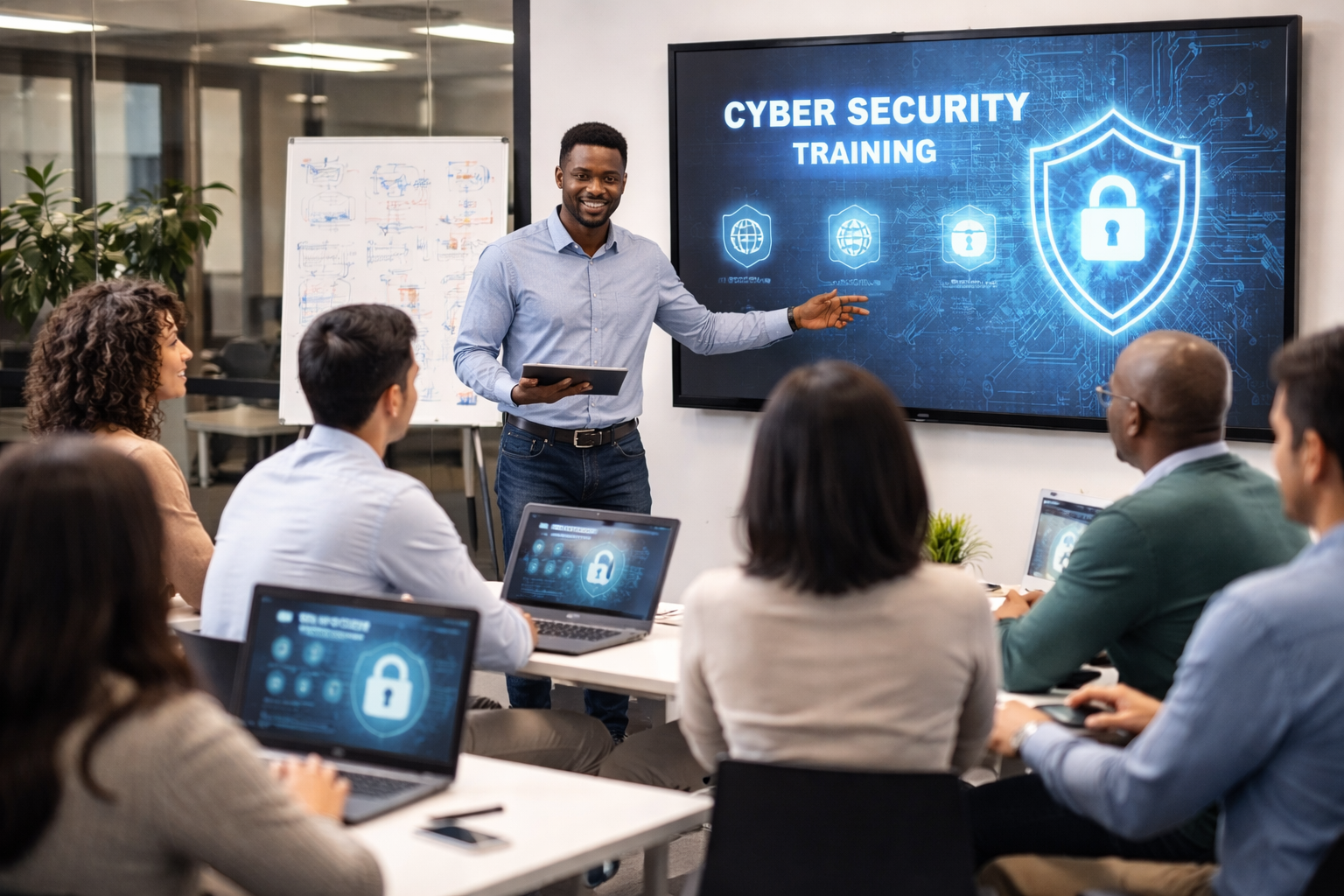
Training works best when it is practical, clear, and directly connected to everyday work. It should not overwhelm employees with technical language. It should give them useful guidance they can apply immediately.
A strong employee cybersecurity training program often includes:
Phishing and email awareness
Employees should know how to recognize suspicious messages, unusual senders, urgent requests, unexpected attachments, and links that do not look right.
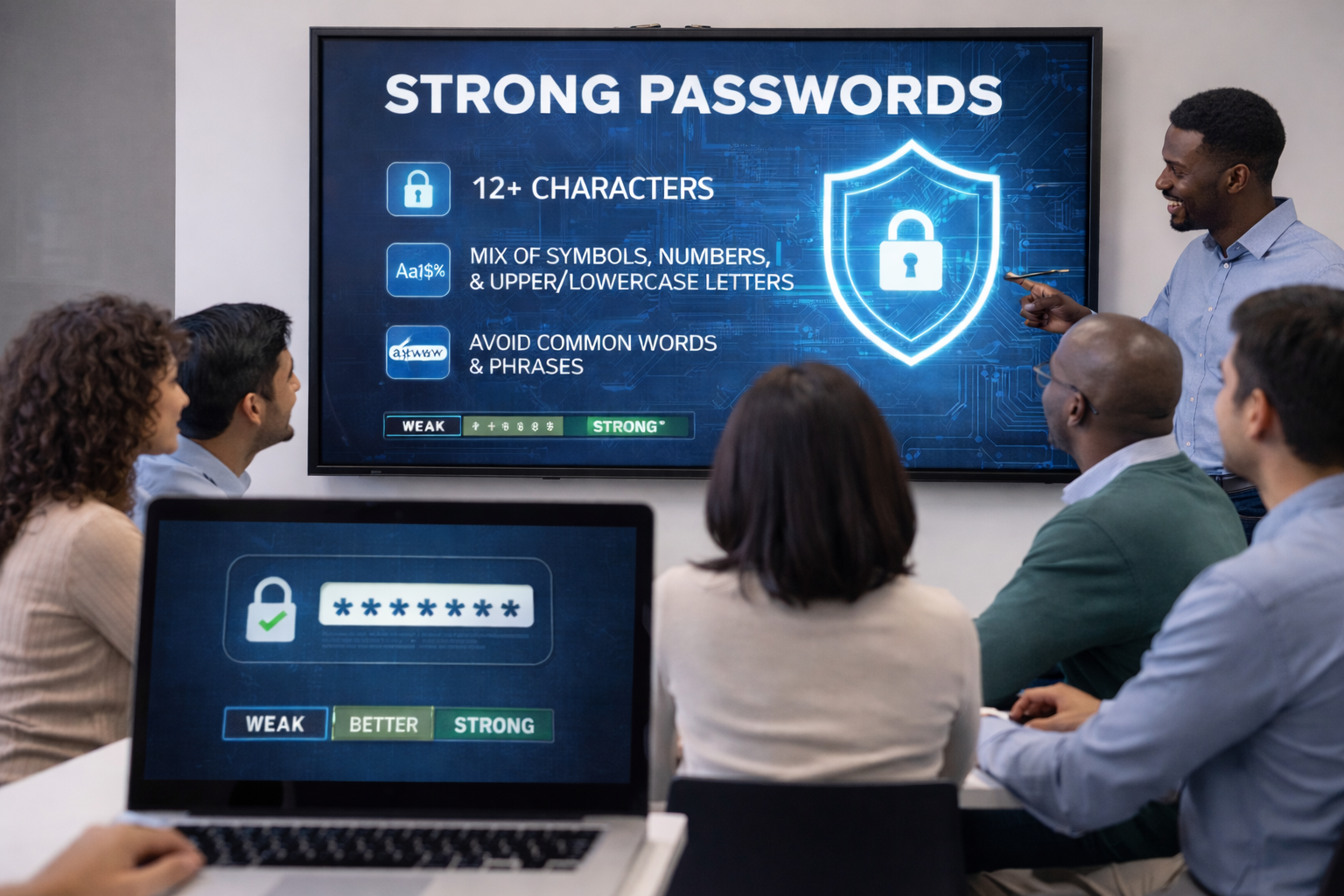
Password and login security
Staff should understand the value of strong passwords, password managers, multi-factor authentication, and secure credential handling.
Safe internet and device use
Training should cover secure browsing habits, software downloads, updates, remote work precautions, and the safe use of company devices.
Data handling
Employees need guidance on how to work with sensitive documents, customer information, financial data, and internal business records responsibly.
Reporting procedures
Teams should know exactly what to do if they click something suspicious, notice a strange login prompt, lose a device, or suspect a security issue.
When training is specific and relevant, employees are more likely to remember it and use it.
The Business Benefits Go Beyond Risk Reduction
Cybersecurity training is often framed only as a way to prevent problems. That matters, but the upside is bigger than that. Training can also improve confidence, consistency, and operational maturity across the business.
Here are a few of the broader benefits:
- Employees feel more prepared in digital work environments
- Managers spend less time reacting to preventable issues
- Internal processes become more consistent
- Teams are more comfortable reporting concerns early
- Leadership gains confidence in the company’s security culture
This is especially important for businesses that handle client data, internal records, financial information, healthcare-related information, or confidential communications. Security awareness supports trust, and trust matters in every industry.
Why One-Time Training Is Not Enough
One of the biggest mistakes businesses make is treating cybersecurity training as a one-time event. A single session may help, but long-term results usually come from consistency.
People forget. Workflows change. New software gets introduced. Threat tactics also change over time.
That is why businesses benefit from a training approach that includes:
- New-hire onboarding
- Periodic refreshers
- Policy reminders
- Role-based guidance when needed
- Reinforcement tied to real business workflows
The goal is not to overload employees. The goal is to keep cybersecurity awareness active and relevant.
When training becomes part of company culture, employees are more likely to take ownership of secure behavior.
Cybersecurity Training Supports a More Resilient Workplace
A resilient workplace is not one that assumes nothing will ever go wrong. It is one that prepares people to respond well, make better decisions, and support stronger day-to-day operations.
That is exactly what employee cybersecurity training helps create.
It gives businesses a better foundation for secure growth. It helps teams work more confidently. And it supports the value of the other technology investments a company is already making.
If your organization is looking at security more strategically, it can also help to review the full picture of your office technology environment, including network support, device management, communication systems, and document workflows
FAQ: Employee Cybersecurity Training

Why is cybersecurity training important for employees?
It helps reduce avoidable mistakes, improves awareness, supports safer handling of data, and strengthens the company’s overall security posture.
How often should employees receive cybersecurity training?
Training should be ongoing. Many businesses benefit from new-hire training plus regular refreshers throughout the year.
What topics should cybersecurity training include?
Common topics include phishing awareness, password security, multi-factor authentication, safe internet use, device security, data handling, and incident reporting procedures.
Strengthen Your Business with Smarter Cybersecurity Support
Employee cybersecurity training is one of the clearest ways to make security more practical, more human, and more effective. When your team knows what to look for and how to respond, your business is better positioned to operate with confidence.
If you are ready to improve your company’s IT environment, security awareness, and day-to-day technology support, Document Solutions can help. Call (888) 880-3377 or contact Document Solutions in the form below to learn how our Managed IT Services helps keep data secure and employees informed.
- Categories: