


Great service rarely comes from guessing. The strongest customer experiences are built on visibility, clear workflows, and small improvements that compound over time. For many organizations, one of the simplest ways to gain that visibility is through call history data.
Call history data is the record of inbound and outbound calls across your business phone system. Depending on the platform and settings, it can include details like the time and date of calls, who answered, how long callers waited, whether a call was missed, and the number that called in. When used well, those call records become a practical tool for improving responsiveness, consistency, and follow through.
Modern cloud based VoIP platforms typically make call history easier to access and report on than traditional landlines. Document Solutions helps organizations implement and support business phone systems that fit real workflows, so teams can use helpful features like call logs and reporting to strengthen the caller experience over time. Learn more about our business phone system options here.
What Call History Data Actually Tells You
Call history is a service quality tool that helps teams see patterns they could not see before.
Call history data can help you answer questions like:
- Are customers reaching the right department quickly?
- Are calls being missed during predictable peak hours?
- Are voicemails being returned the same day?
- Do callers hang up after long hold times?
- Are follow up calls happening when they should?
When you can see what is happening, you can improve it without adding complexity.
7 Ways Call History Data Can Improve Service Quality
1) Fewer missed calls and faster callbacks
Missed calls happen, especially when teams are busy, short staffed, or managing multiple priorities. The problem is not the missed call itself. The problem is when the business does not notice it quickly, or the callback slips through the cracks.
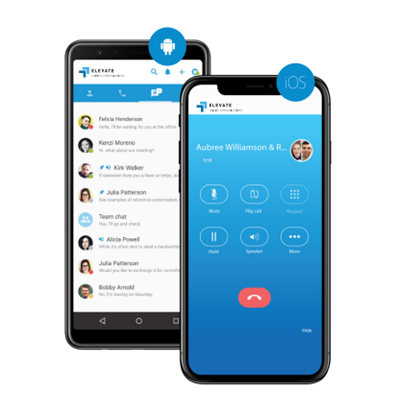
Call history helps your team identify missed calls and voicemails that need follow up. In many VoIP systems, missed calls can be surfaced in a user dashboard or app call log, making it easier to return calls promptly and consistently.
A simple operational win is setting an internal expectation like this: every missed call gets a same day callback whenever possible. Call logs make that measurable and achievable.
2) Better staffing decisions based on real demand
Many organizations staff based on habit. Mondays feel busy, afternoons feel slow, and the front desk just tries to keep up.
Call history data can show your true call volume patterns by day and time window. That helps you schedule coverage where it matters most, and it can reduce customer frustration without adding headcount.
Examples of improvements you can make with call history insights:
- Adjust lunch coverage during peak inbound times
- Add a rotating backup call group during known rush windows
- Shift non customer facing tasks away from the busiest call blocks
Even small scheduling tweaks can noticeably improve caller experience.
3) Cleaner call routing that gets callers to the right person
If callers regularly get transferred multiple times, the experience feels slow even if people are friendly. Call history data, combined with a quick review of call flows, can help identify where routing is breaking down.
If your VoIP system includes ring groups, auto attendants, or call queues, call records can help you spot:
- Departments receiving calls that belong elsewhere
- Ring groups that time out too quickly
- Extensions that rarely answer, creating unnecessary transfers
When routing improves, service feels faster and more professional.

4) Improved training and coaching using real examples
Call logs can highlight patterns that are perfect for coaching, like repeat callers who are not getting resolution on the first contact, or calls that consistently require escalation.
Some organizations also use optional call recording for quality assurance and training. Whether or not recording is used, call history alone can help leaders focus coaching on what matters most: response time, handoffs, and follow through.
Important note: if call recording is used, it should be implemented thoughtfully and in compliance with applicable laws and internal policies.
5) More consistent follow up for sales and service teams
When a customer calls and does not reach the right person, the gap between “we will get back to you” and actually getting back to them is where service quality is won or lost.
Call history supports follow up discipline by giving teams an easy way to review recent interactions. That helps when a customer calls back asking for an update, when a team member is out, or when another person needs context to step in and help.
6) Stronger accountability without being overwhelming
Call history data can support simple service standards like:
- Finding the average speed to answer goals during business hours
- Missed call review at the end of each day
- Queue overflow rules during peak periods
Because the data is objective, it can reduce frustration and guesswork. Teams feel supported because expectations are clear and improvements are measurable.
7) Better customer experience when things get busy
Every organization has busy days. The difference is how the phone experience feels during those spikes.
Call history and reporting can help you build safeguards such as:
- Overflow routing to a backup group
- Auto attendant options that guide callers efficiently
- Queue call back workflows, when available
- Adjusted ring times to reduce timeouts
Over time, these small improvements help customers feel like your organization is easy to reach, even during high volume periods.
What to Look for in Call History and Reporting Features
Not every platform reports the same way. If service quality is a priority, look for call history capabilities that are easy for both managers and end users to access.
Helpful features often include:
- User friendly call logs across desk phone and mobile apps
- Missed call and voicemail visibility
- Basic reports by time of day and call volume
- Call queue metrics if you use queues
- Ring group reporting if you use ring groups
- Export options for deeper review when needed
Document Solutions can help you align these features to your workflows during implementation, so the system supports service quality rather than adding complexity.
 Quick Checklist: Turning Call History Into Better Service
- Review missed calls daily and confirm same day callbacks when possible
- Identify your top two peak call windows and ensure coverage
- Confirm call routing matches how customers actually ask for help
- Review repeat callers weekly to see where first call resolution can improve
FAQ
What is call history data in a business phone system?
Call history data is a record of inbound and outbound calls that typically includes time and date, caller number, call duration, and whether the call was answered, missed, or sent to voicemail. Available details vary by provider and configuration.
How does call history data improve customer service?
It helps teams reduce missed calls, return voicemails faster, staff appropriately during peak times, and refine call routing so callers reach the right person with fewer transfers.
Do we need call recording to get value from call history?
No. Call history alone can provide strong insight into responsiveness and workflow improvements. Call recording can add coaching value in some environments, but it should be used carefully and in compliance with applicable laws and policies.
Ready to Turn Phone Data Into a Better Caller Experience?
If your business wants faster response times, cleaner call routing, and more consistent follow up, call history reporting can help you get there with practical, measurable improvements. Document Solutions can help you evaluate and implement a VoIP phone system that supports service quality and fits how your team actually works.
Next steps: explore our options, and reach out to Document Solutions to discuss the right setup for your organization, including call reporting and visibility features that match your workflow by calling (888) 880-3377 or filling out the form below.
- Categories: