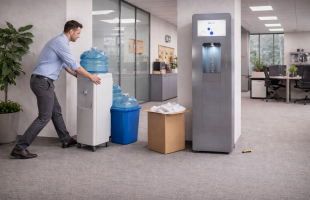

Clean, great tasting drinking water is something most employees expect without thinking twice about it. In many offices, water comes from the municipal supply, so managers assume it is already safe and reliable.
Municipal water systems in New Jersey and across the United States are regulated and monitored. However, the water still travels through miles of infrastructure and building plumbing before reaching your office tap. Along the way, factors such as mineral content, pipe condition, and treatment chemicals can affect water quality.
The good news is that evaluating your office water quality does not have to be complicated. With simple testing methods, including Total Dissolved Solids (TDS) testing, businesses can quickly understand what is in their water and determine whether filtration could improve taste, consistency, and long term equipment performance.
For many workplaces, a quick water quality evaluation is the first step toward modern solutions such as bottleless water coolers. Document Solutions helps businesses assess their water and implement filtration and purification systems designed specifically for office environments.
Why Offices Are Taking a Closer Look at Water Quality
Workplace amenities have become an important part of employee experience. Breakrooms, coffee stations, and hydration options all contribute to comfort and productivity.
Because drinking water is used every day, even small improvements can make a noticeable difference for employees.
Businesses often evaluate water quality to:
- Improve taste and clarity of drinking water
- Support workplace wellness initiatives
- Protect appliances like coffee machines and water coolers
- Prepare for installing bottleless water systems
- Reduce scale buildup from minerals
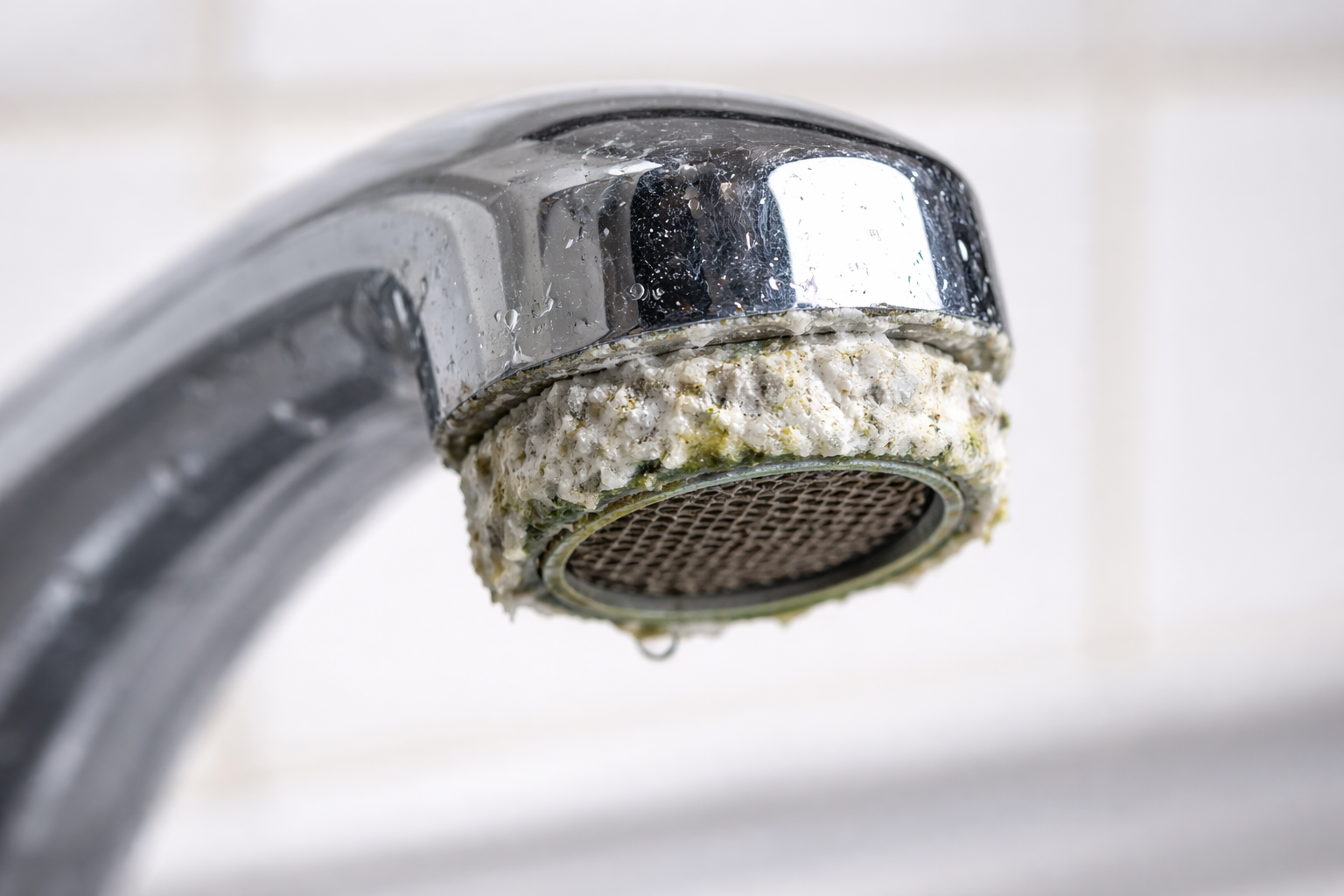
In many cases, offices discover that their water is acceptable but could benefit from filtration to improve taste and reduce mineral buildup. Testing simply provides clarity so decisions can be made with confidence.
What “Water Quality” Actually Means
Water quality is often discussed broadly, but it typically refers to a few measurable characteristics.
These include:
- Mineral content
- Dissolved particles
- Chlorine or treatment chemicals
- pH balance
- Potential contaminants
One of the easiest ways to understand overall water composition is through Total Dissolved Solids testing.
Understanding Total Dissolved Solids (TDS)
Total Dissolved Solids refers to the combined amount of dissolved substances present in water. These substances may include:
- Minerals such as calcium and magnesium
- Naturally occurring salts
- Small amounts of metals
- Trace compounds from treatment processes
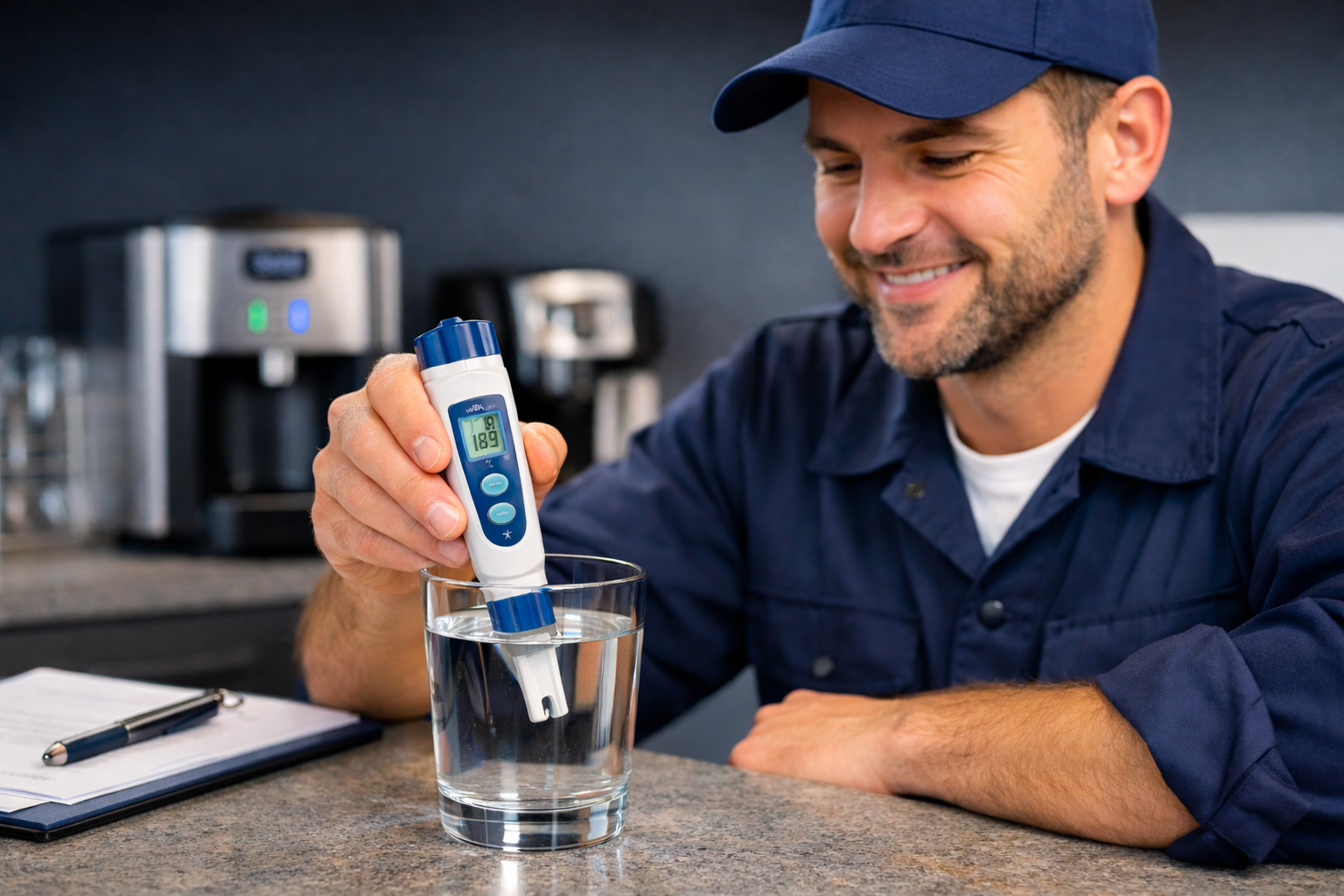
TDS is measured in parts per million (ppm). A digital meter quickly analyzes the water and produces a numeric reading that reflects the concentration of dissolved materials.
According to guidance from the United States Environmental Protection Agency (EPA), drinking water with TDS levels under 500 ppm is generally considered acceptable for taste and quality.
It is important to note that TDS measures the total amount of dissolved material, not which specific substances are present. Many dissolved minerals are completely harmless and naturally occur in groundwater.
TDS testing provides a valuable snapshot of overall water composition and helps determine whether filtration or water purification may improve water quality.
Why TDS Testing Is Useful for Offices
A TDS reading gives facility managers a simple, data driven way to understand their water instead of relying on guesswork.
For workplaces, this information can be valuable for several reasons.
1. Improving Taste and Consistency
Water with higher mineral content can sometimes taste metallic, salty, or slightly bitter. Lower TDS levels often produce cleaner tasting water, which employees are more likely to drink throughout the day.
2. Supporting Equipment Longevity
Minerals in water can gradually accumulate as scale inside equipment that uses water.
Monitoring TDS levels helps offices understand whether filtration could reduce buildup and extend equipment lifespan.
3. Making Informed Upgrade Decisions
Many businesses consider switching from bottled water delivery to bottleless water systems connected directly to the building’s water supply.
When planning that transition, a quick water quality test helps determine the ideal filtration configuration.
Document Solutions provides modern bottleless systems with multistage filtration and reverse osmosis purification designed for office environments.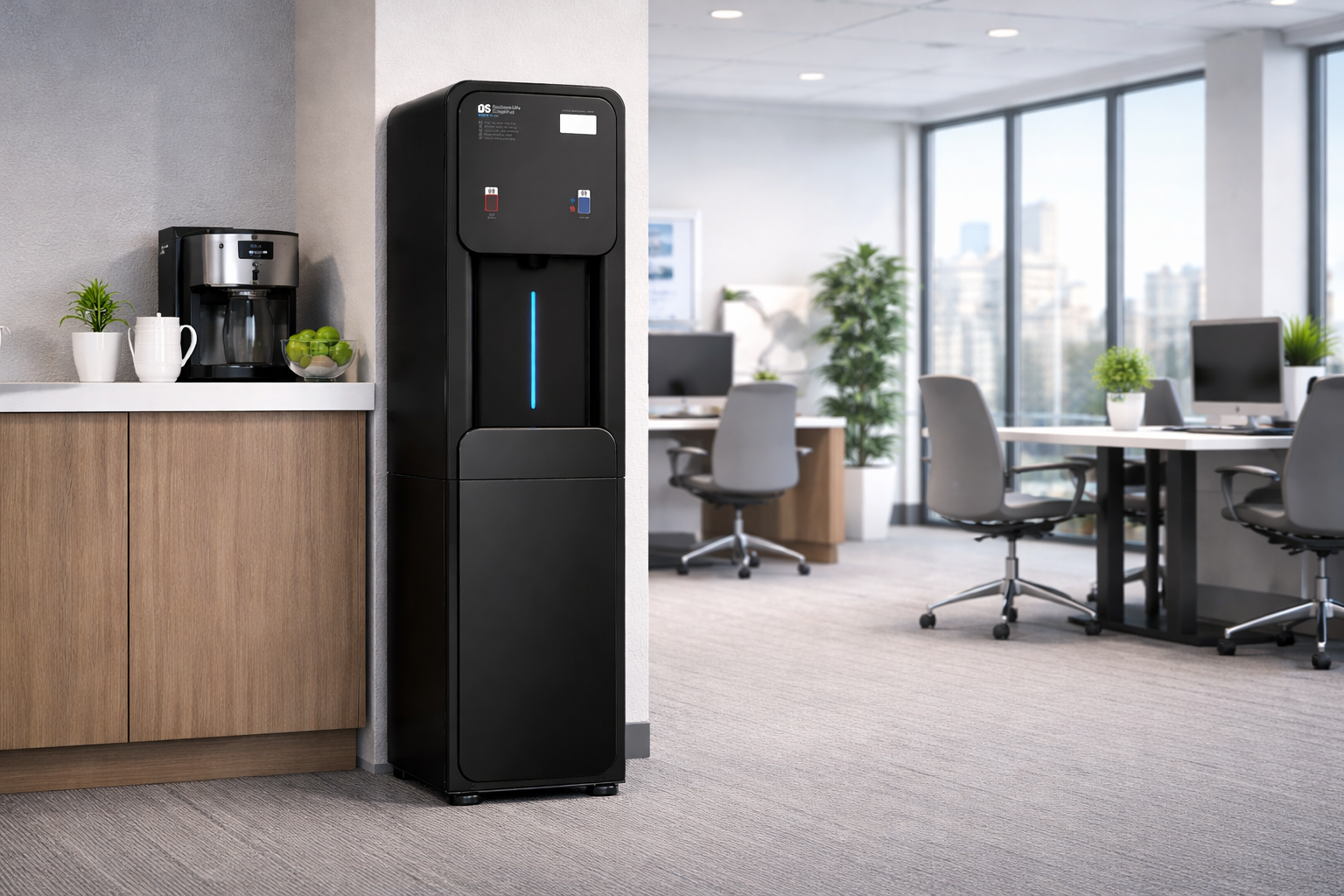
How to Evaluate Your Office Water Step by Step
Step 1: Start with a TDS Reading
A TDS meter is placed into a small sample of water and produces an instant reading. The result shows the total concentration of dissolved solids.
Because the process is quick and non invasive, it is commonly used for first level water quality assessments.
Step 2: Compare Results to General Guidelines
EPA guidance recommends drinking water with TDS levels below 500 ppm.
Many municipal systems fall well below that threshold, but building infrastructure, pipes, or mineral content in groundwater can sometimes increase readings.
Step 3: Consider Workplace Needs
Even when water meets regulatory standards, offices may choose filtration to:
- Improve taste
- Reduce mineral buildup
- Maintain consistent water quality
- Support sustainability initiatives
Step 4: Evaluate Filtration Options
If testing shows elevated mineral content or if employees prefer improved taste, filtration systems such as reverse osmosis can significantly reduce dissolved solids.
Reverse osmosis systems push water through a semi permeable membrane that removes many dissolved substances, resulting in cleaner tasting water.
These systems are commonly integrated into modern bottleless water coolers used in offices.
Why Bottleless Water Coolers Are Often the Next Step
Once offices evaluate their water quality, many choose to upgrade to bottleless water systems because they provide consistent filtration without relying on bottled deliveries.
Bottleless coolers connect directly to the building’s water supply and use internal filtration systems that may include:
- Sediment filtration
- Activated carbon filtration
- Reverse osmosis purification
This approach provides several benefits for businesses.
- Unlimited drinking water without bottle storage
- Reduced plastic waste
- Consistent taste and filtration
- Simplified breakroom management
Signs Your Office May Benefit from Water Testing
Even though many buildings have perfectly acceptable drinking water, a quick test can provide peace of mind and identify opportunities for improvement.
Offices often request testing when:
- Employees notice changes in taste or odor
- The building has older plumbing
- Coffee machines or appliances develop mineral scale
- The company is considering switching to bottleless water systems
- Management wants more visibility into workplace water quality
Because testing takes only a few minutes, it is an easy step that can provide valuable insight.
FAQs About Evaluating Office Water Quality
What does TDS actually measure?
TDS measures the total amount of dissolved solids in water, including minerals, salts, and trace compounds. The reading is reported in parts per million (ppm).
How long does a TDS water test take?
A digital TDS meter provides a reading in seconds. The entire process typically takes only a few minutes from start to finish.
What happens if our office water has higher TDS levels?
If readings are elevated, filtration systems such as reverse osmosis can significantly reduce dissolved solids and improve taste. Many bottleless water coolers include multistage filtration and reverse osmosis purification designed to address these issues.
Start with a Simple Water Quality Check
Evaluating your office drinking water does not have to involve complicated testing or lengthy analysis. A quick TDS reading can provide immediate insight into your water quality and help determine whether filtration could improve taste and consistency for your team.
For businesses exploring bottleless water systems, testing is often the first step toward a more modern, sustainable breakroom experience.
If you would like to learn more about bottleless water coolers, explore our options or contact Document Solutions to discuss water testing and filtration or purification solutions tailored to your office. Call us at (888) 880-3377 or reach out to us in the form below.
Clean, great tasting water is a small upgrade that can make a big difference in the workplace. To learn more about TDS testing, check out another great resource here.
- Categories: