

Sick days cost U.S. businesses an estimated $225 billion each year in lost productivity, wages, and replacement labor. While factors such as stress, sleep, ergonomics, and workplace culture all influence employee health, one critical element is often overlooked: the quality and accessibility of drinking water in the office.
For businesses, improving workplace water quality is a practical, evidence-backed way to support employee wellness and reduce preventable absenteeism. Clean, accessible water supports immune function, limits exposure to contaminants, and helps reduce the spread of germs in shared office environments. Understanding the connection between hydration and health allows organizations to make smarter decisions about workplace water solutions.
The Link Between Hydration and Immune Health
Proper hydration is essential for the immune system to function efficiently. Even mild dehydration can negatively affect physical performance, cognitive function, and the body’s ability to fight infections. When employees remain consistently hydrated throughout the workday, their bodies are better equipped to prevent illness and recover more quickly when they do get sick.
Immune Cell Transport
Blood plasma is composed of roughly 90 percent water and plays a critical role in transporting white blood cells, antibodies, oxygen, and nutrients throughout the body. When dehydration reduces blood volume, immune cells move more slowly to areas where they are needed, delaying the body’s response to infections and increasing vulnerability to illness.
Mucous Membrane Protection
Mucous membranes in the nose, throat, and respiratory tract serve as the body’s first line of defense against airborne viruses and bacteria. Adequate hydration keeps these membranes moist so they can effectively trap and expel pathogens. When employees are dehydrated, these membranes dry out, increasing susceptibility to respiratory infections, especially during cold and flu season.
Lymphatic System Support
The lymphatic system removes waste and helps regulate immune responses throughout the body. It relies on adequate fluid levels to circulate properly. Consistent hydration supports lymphatic flow, aiding immune resilience and supporting recovery when illness does occur.
Reducing Lead and Heavy Metals
Lead can enter drinking water through corroded pipes, solder, and fixtures. Even low-level exposure has been associated with negative health effects. Multi-stage filtration systems are designed to significantly reduce lead and other heavy metals, protecting employees from unnecessary exposure.
Addressing Bacteria and Microbial Risks
While uncommon, bacteria such as Legionella can develop in stagnant or poorly maintained building water systems. Bottleless water coolers with integrated UV disinfection add an extra layer of protection at the point of dispense, helping reduce microbial risks in shared environments.
Chemical Contaminants and PFAS
Chlorine byproducts, industrial pollutants, and PFAS (often referred to as “forever chemicals”) have been detected in water systems across parts of the Northeast. Reverse osmosis and advanced carbon filtration systems are proven to significantly reduce these contaminants, lowering long-term exposure and improving water taste and clarity. Reverse osmosis also helps purify the drinking water.
Hydration, Focus, and Preventable Sick Days
Not every sick day is caused by infection. Dehydration can produce symptoms that feel like illness, including headaches, fatigue, and difficulty concentrating. When employees feel unwell due to dehydration, they are more likely to call out unnecessarily.
Consistent access to good-tasting water helps prevent dehydration-related discomfort, supports sustained energy levels, and improves mental clarity. Employees who feel better physically are less likely to interpret minor symptoms as illness and more likely to remain productive throughout the day.
Reducing Germ Spread with Touchless Water Technology
Traditional bottled water dispensers often rely on shared buttons or levers, creating high-touch surfaces that can transfer germs between employees. During cold and flu season, these shared contact points can contribute to the spread of illness.
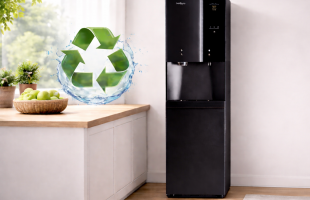
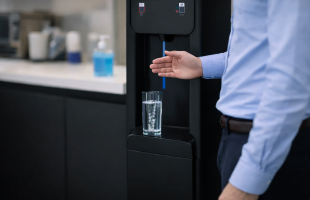
Modern bottleless water coolers offer touchless dispensing through sensors or foot pedals, eliminating the need for physical contact. Reducing shared touchpoints supports broader workplace hygiene efforts and helps limit how quickly illness spreads when one employee becomes sick.
Water Quality, Trust, and Employee Behavior
When employees distrust tap water quality, they often avoid drinking enough or rely on bottled beverages brought from home. This leads to inconsistent hydration and unnecessary plastic waste.
Providing visibly high-quality, filtered and purified water builds trust and encourages healthier habits. When employees understand what contaminants are removed and why the water tastes better, they are far more likely to drink water consistently throughout the workday.
Environmental Stressors and the Role of Hydration
Office environments can place additional stress on the immune system. Dry indoor air during winter months irritates respiratory passages, while temperature fluctuations affect comfort and focus.
Proper hydration helps mitigate these stressors by supporting mucous membrane health and assisting the body’s natural temperature regulation. While hydration cannot replace proper HVAC or air quality management, it plays an important supporting role in overall workplace wellness.
Best Practices for Implementing Better Workplace Water
To maximize the health and attendance benefits of improved water quality, businesses should:
- Place water coolers in high-traffic areas to encourage frequent use
- Offer both cold and room-temperature water options
- Schedule regular maintenance and filter replacements
- Communicate filtration benefits clearly through signage or internal messaging
Small implementation details can significantly influence daily hydration habits.
Frequently Asked Questions
How much does hydration really affect immune function?
Hydration plays a foundational role in immune health. While it cannot prevent all illnesses, dehydration has been shown to impair immune response and slow recovery.
Can better water actually reduce sick days?
Improved hydration and reduced exposure to contaminants can meaningfully lower preventable absences. Water quality works best as part of a broader workplace wellness strategy.
How can we tell if office water is a problem?
Water testing can identify contaminants, but employee behavior is also telling. If employees avoid office water or rely heavily on bottled drinks, perceived quality may be an issue.
Is there a return on investment?
The average sick day costs employers hundreds of dollars in lost productivity. Preventing even one sick day per employee per year can offset the cost of a bottleless water system for many organizations.
Invest in Employee Health with Better Water
Workplace water quality has a greater impact on employee health and attendance than many organizations realize.
Document Solutions helps businesses implement bottleless water cooler solutions designed to support wellness and reduce absenteeism. Services include water quality testing, advanced filtration options that reduce PFAS and other contaminants, touchless dispensing technology, and ongoing maintenance.
Ready to support a healthier, more productive office?
Contact Document Solutions for a workplace hydration assessment and learn how better water can help reduce sick days in your workplace.
📞 Call us at (888) 880-3377, or contact Document Solutions online today!