
Hydration is often viewed as a minor workplace perk rather than a business essential. Many organizations assume that as long as some form of drinking water is available, the responsibility has been met. In reality, outdated assumptions about office hydration quietly cost businesses more than they realize through higher expenses, wasted time, reduced productivity, and employee dissatisfaction.
For many offices, rising operational costs, sustainability expectations, and growing awareness of water quality have made hydration a much more strategic issue. This article breaks down the most common office hydration myths, explains why they are inaccurate, and shows how smarter water solutions can reduce costs while improving the employee experience.
Why Office Hydration Deserves More Attention
Water is essential for basic cognitive and physical function. Research consistently shows that even mild dehydration can negatively impact concentration, short-term memory, alertness, and mood. In an office setting, this can translate into slower task completion, increased errors, and reduced engagement throughout the workday.
Despite this, hydration is often treated as an afterthought. Many businesses rely on outdated or inefficient hydration setups that appear inexpensive on the surface but create hidden costs over time. These costs often show up as higher supply expenses, operational inefficiencies, employee complaints, and avoidable waste.
Myth #1: Bottled Water Is the Most Cost-Effective Option
Bottled water remains common in offices because it feels familiar and easy to manage. However, it is rarely the most cost-effective solution when evaluated over time.
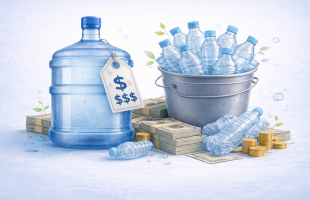
The true cost of bottled water includes recurring delivery fees, fuel surcharges, bottle deposits, storage space, and employee time spent monitoring inventory and replacing bottles. Emergency deliveries when bottles run out add even more expense and disruption.
Over the course of a year, these ongoing costs often exceed the predictable monthly cost of a bottleless water system that provides water on demand without deliveries.
Myth #2: Tap Water Quality Is Always Consistent
Municipal water in New Jersey is regulated and treated to meet safety standards, but that does not mean its quality is consistent throughout the year.
Seasonal changes in water sources, treatment methods, temperature, and infrastructure conditions can affect taste, odor, and mineral content. While the water remains safe, noticeable changes can discourage employees from drinking it.
When employees avoid office water due to taste concerns, they often turn to bottled beverages, sugary drinks, or leave the building to purchase drinks, increasing costs and reducing productivity.
Myth #3: Employees Will Hydrate Enough on Their Own
Many employers assume hydration is a personal responsibility and that employees will drink water when they need it. In reality, access, convenience, and water quality strongly influence hydration habits.
If water dispensers are inconveniently located, frequently empty, or provide unpleasant-tasting water, employees tend to drink less throughout the day. Over time, this can affect comfort, focus, and overall workplace satisfaction.
Providing easy access to appealing drinking water removes barriers and supports healthier habits without requiring employees to compensate on their own.
Myth #4: All Water Filtration Systems Do the Same Thing
Not all filtration systems address the same water quality issues. Assuming they do often leads businesses to invest in solutions that fail to fully solve their problems.
Carbon filtration is effective at reducing chlorine, chloramine, and organic compounds that cause taste and odor issues. Reverse osmosis systems go further by removing a wide range of dissolved solids, minerals, and contaminants, delivering consistent water quality and purifying the water year-round.
Understanding the difference helps businesses choose a system that aligns with their water conditions and employee expectations.
Myth #5: Office Water Does Not Affect Productivity
Hydration is closely linked to cognitive performance and physical comfort. Even mild dehydration has been associated with headaches, fatigue, slower reaction times, and difficulty concentrating.
In an office environment, these small effects add up. Employees who are not adequately hydrated may struggle to maintain focus during meetings, experience afternoon energy crashes, and feel less comfortable overall.
Providing reliable access to clean, great-tasting water supports employee wellness and helps maintain consistent productivity throughout the workday.
The Hidden Costs of Poor Office Hydration
When hydration systems are inefficient or unreliable, businesses often pay in indirect ways. Time spent managing bottled water deliveries, handling complaints, or troubleshooting empty dispensers pulls employees and office managers away from their core responsibilities.
There are also environmental and reputational costs. Plastic waste from bottled water conflicts with many organizations’ sustainability goals and can negatively affect how employees, clients, and job candidates perceive the business.
Over time, these hidden costs quietly add up, even though they may not appear on a single line item in the budget.
A Smarter Approach to Office Hydration
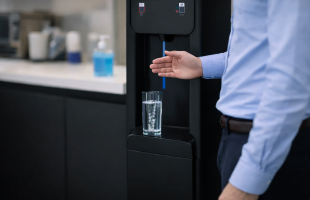
Modern bottleless water coolers offer a more efficient and consistent solution for today’s workplaces. By connecting directly to the building’s water supply and using multi-stage filtration, these systems provide purified water on demand without deliveries, storage issues, or plastic waste.
For offices concerned about water quality variability, systems with reverse osmosis provide a high level of consistency regardless of seasonal changes. Professionally maintained systems ensure filters are changed on schedule and performance remains reliable year round.
Document Solutions works with businesses to assess water needs, recommend appropriate filtration, and install bottleless water cooler systems designed to reduce costs and improve the employee experience.
Frequently Asked Questions
Does better office hydration really improve productivity?
Yes. Adequate hydration supports focus, energy levels, and cognitive performance, which contributes to better work quality and consistency.
Are bottleless water coolers difficult to maintain?
No. Professionally serviced systems include routine filter changes, sanitization, and monitoring, minimizing involvement from office staff.
How do I know which filtration system my office needs?
A water quality assessment or TDS test can help identify taste issues, mineral content, and other factors to determine whether carbon filtration or reverse osmosis is the best fit.
If your office is still relying on outdated hydration solutions, it may be costing more than you think. Document Solutions helps businesses replace inefficient bottled water programs with modern bottleless water coolers that support productivity, sustainability, and long-term savings.
Contact Document Solutions today to learn more about office water solutions designed for your workplace or call us at (888) 880-3377!