
When facilities engineers, school administrators, or business managers evaluate drinking water options, the language used on water fountains or filtration products can create confusion. Labels that claim a product “reduces lead” often lead people to assume it eliminates lead entirely. However, many traditional fountains and non-RO filtration systems are only certified for lead reduction under controlled test conditions, not complete lead removal.
Understanding the difference between reverse osmosis (RO) and non-RO filtration is essential for anyone responsible for student safety, employee wellness, or compliance. New Jersey schools, in particular, face unique challenges due to older buildings, aging plumbing, and increasingly strict expectations around water quality. Choosing the right system isn’t just about taste, it’s about trust, liability, and long-term protection.
Why Reverse Osmosis Is Different
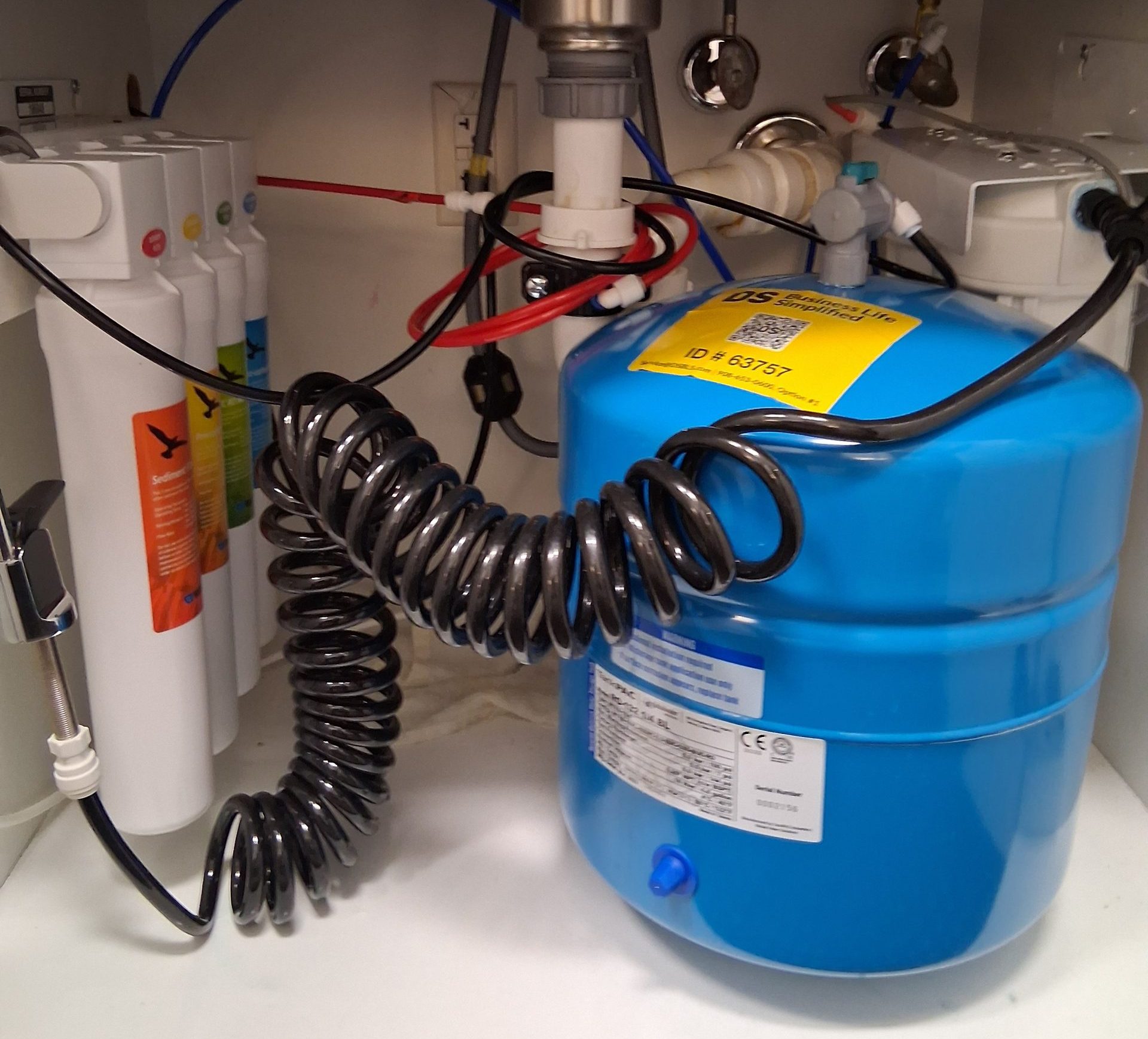
Reverse osmosis is one of the most advanced point-of-use purification technologies available. Unlike standard carbon or sediment filters, RO uses a semipermeable membrane to remove a wide range of dissolved contaminants that simpler filters cannot capture. This includes dissolved solids, heavy metals like lead, minerals, certain PFAS compounds (when paired with proper pre-filters), particulates, and many chemical contaminants. Reverse Osmosis purification is different than standard filtration.
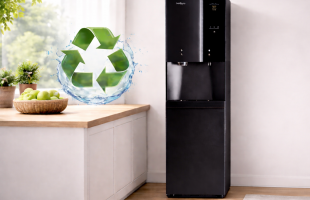
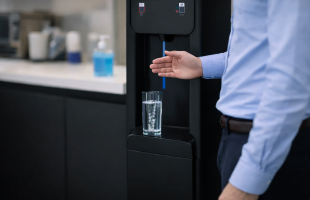
Document Solutions delivers RO bottleless water coolers that give schools and offices clear, verifiable water quality instead of relying on assumptions.
Key benefits of RO systems
- Significantly higher contaminant removal than standard filtration methods.
- Reliable, measurable results using simple TDS testing to show improvements instantly.
- Great-tasting water that encourages hydration and reduces reliance on bottled delivery.
- Ideal for older buildings where plumbing conditions can affect water consistency.
To explore our systems, visit this webpage.
What Can Counts as Non-RO: Fountains and Lead-Reduction Filters
Non-RO products can include wall-mounted drinking fountains, bottle filling stations with carbon filters, particulate filters, and lead-reduction cartridges. These systems improve taste and reduce many contaminants, but they do not remove dissolved solids or achieve the same level of purification that RO provides.
These devices are helpful, but they should never be mistaken for systems that remove lead or eliminate dissolved metals entirely.
When a product says “reduces lead,” it does NOT mean “removes lead.”
A certified lead-reduction product is tested to lower lead levels under specific, controlled conditions. However, real-world plumbing conditions (especially in New Jersey schools), can vary dramatically. Changes in water chemistry, aging pipes, and inconsistent flow can cause lead levels to rise even when a filter is installed.
This is why the distinction between **reduction** and **removal** must be understood clearly. Many administrators mistakenly believe that fountain filters eliminate lead, when in reality, they simply reduce it during testing. This misunderstanding can create a false sense of security.
RO vs Non-RO: Choosing the Right Solution for Your Facility
- Start with a water assessment — Document Solutions provides on-site water assessments, including TDS tests, to establish a baseline and explain which solutions will be most effective.
- Define your safety and compliance needs — Schools, medical offices, and buildings with older infrastructure typically benefit most from RO due to its higher removal capabilities.
- Match technology to your risk level — If the environment demands strict control over contaminants, RO provides much more predictable and measurable results.
A Practical Guide for Water Reps Visiting Schools
School administrators may believe that their current fountains already solve their lead concerns. To help guide the conversation, use these steps:
- Ask whether the equipment is certified for “lead reduction” or true removal.
- Offer a TDS test with the help of Document Solutions or recommend lead testing to provide clear, data-based guidance.
- Explain that non-RO filters cannot address dissolved metals the way RO can.
- Emphasize that RO bottleless systems provide consistent, measurable, and documentable results.
FAQs
Is “lead reduction” enough for school safety?
Not always. Reduction does not guarantee elimination, especially in older plumbing systems.
Does reverse osmosis remove lead?
Yes. RO membranes are designed to remove many dissolved contaminants, including lead.
Why does a TDS test matter?
It provides a measurable before-and-after comparison, helping verify water quality.
Are standard fountains enough for older school buildings?
Often no. Lead spikes can occur unpredictably in older plumbing.
Protect Your School, Staff, Students, and Visitors With Water You Can Prove Is Safe
Document Solutions provides reverse osmosis bottleless water coolers, on-site water assessments, TDS testing, and professional maintenance for schools and offices.
📞 Call us at (888) 880-3377, or contact Document Solutions online today!
Upgrade Your Water System Today – Learn More!