
Keeping employees hydrated should be simple, reliable, and consistent. Yet many offices still rely on traditional bottled water systems that introduce unnecessary challenges, including heavy lifting, missed deliveries, storage concerns, and inconsistent water quality.
Bottleless water coolers offer a modern alternative by connecting directly to your building’s existing water supply and purifying water on demand. While these systems are becoming increasingly common in workplaces, many decision-makers still wonder what actually happens inside the unit once water enters it.
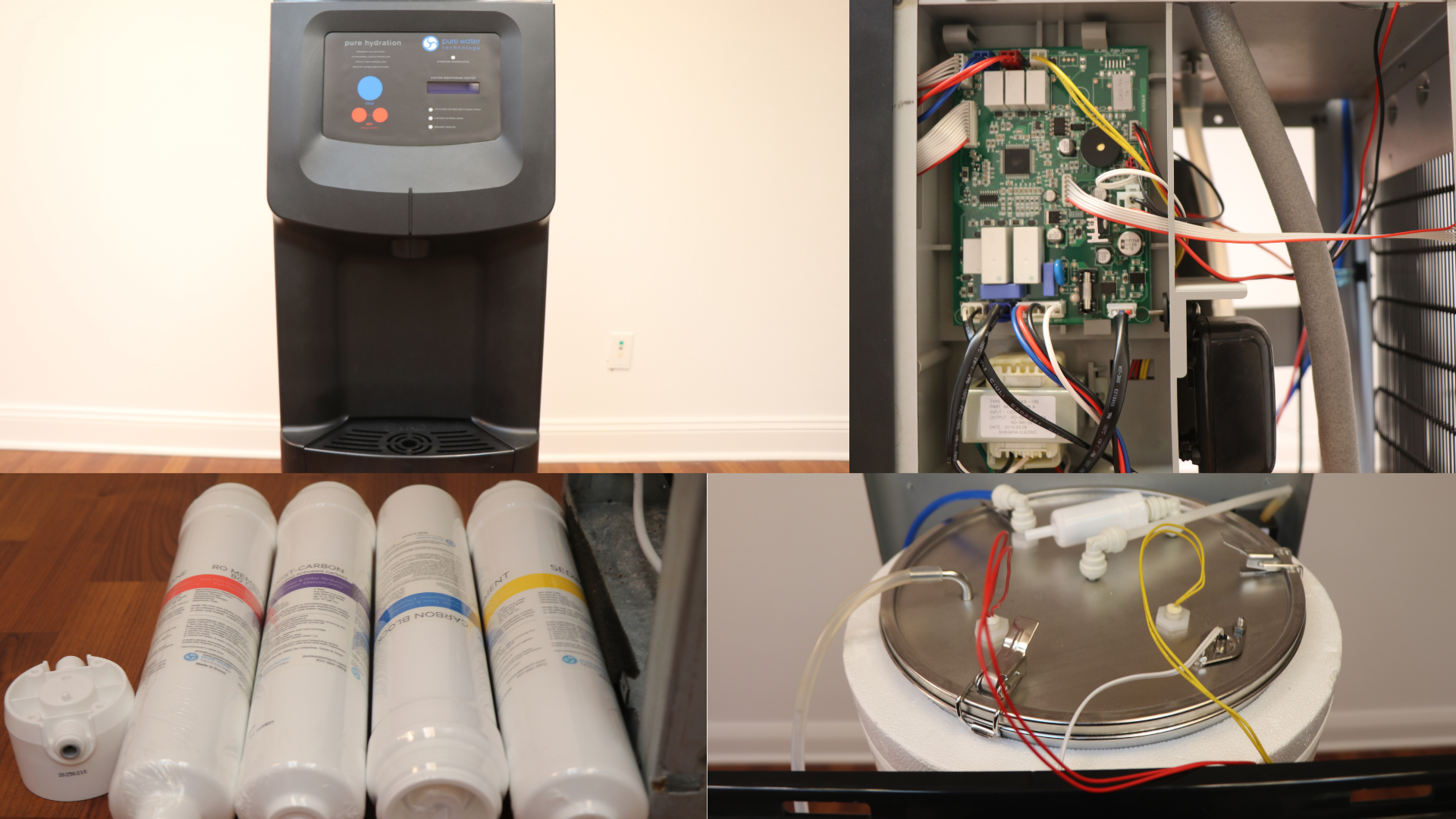
Below is a detailed, step-by-step breakdown of the purification and dispensing process, based specifically on one of the powerful Document Solutions bottleless water coolers, the 3i-R.
Step 1: Water Enters the System From Your Building Supply
The process begins when municipal water flows directly into the bottleless water cooler through a dedicated water line. This eliminates the need for bottled water deliveries, manual bottle changes, and storage of heavy jugs throughout the office.
Before purification begins, water pressure is regulated to remain within the system’s recommended operating range. The 3i Pure Water system is designed for standard commercial water pressure and should not exceed 60 PSI, ensuring consistent performance and long-term system reliability.
Step 2: Sediment Filtration Removes Physical Particles
Once water enters the unit, it first passes through a sediment filter. This filtration stage focuses on removing larger physical particles that may be present in municipal water supplies.
The sediment filter reduces dirt, rust, and silt. Removing these particles early in the process helps protect internal components, supports consistent water clarity, and prevents premature wear on downstream filters.
Step 3: Carbon Block Filtration Reduces Chemicals and Chlorine
After sediment filtration, water moves through a carbon block filter. This stage is designed to reduce chlorine and certain chemical compounds commonly found in treated municipal water.
Chlorine is widely used as a disinfectant, but it can negatively impact taste and odor. By reducing chlorine and select organic compounds, carbon block filtration improves water taste while also preparing the water for reverse osmosis purification.
Step 4: Reverse Osmosis Purification
The core of the 3i Pure Water system is its on-board, multi-stage reverse osmosis purification. Reverse osmosis works by forcing water through a semi-permeable membrane that reduces dissolved inorganic contaminants.
This stage removes the majority of lead, mercury, and arsenic and PFAS. The reverse osmosis membrane is rated for up to 80 gallons per day and is certified under NSF/ANSI 58, which governs reverse osmosis drinking water systems.
Step 5: Granular Activated Carbon Polishing
After reverse osmosis, water passes through a granular activated carbon filter. This final carbon stage polishes the water, enhancing taste and clarity.
While reverse osmosis removes many dissolved inorganics, granular activated carbon ensures the finished water has a clean, refreshing taste suitable for everyday office use.
Optional Enhancements Available With the System
Boost Filter (Optional)
The 3i Pure Water system may be configured with an optional boost filter. This filter adds alkalinity and minerals back into the water after reverse osmosis purification, depending on office preference.
Ozone Injection (Optional)
Optional ozone injection is available to help inhibit the growth of bacteria, viruses, and parasites inside the system. Ozone supports internal cleanliness and complements the filtration process.
Step 6: Chilling, Heating, and Internal Storage
Once purified, water is stored in dedicated internal tanks designed to support daily office demand. The system includes a 3-gallon cold water tank and a 0.5-gallon hot water tank.
A high-capacity chilling system and compressor allow the unit to deliver consistent cold water, even in larger offices or during periods of frequent use. Hot water is equipped with a safety lock to help prevent accidental dispensing.
Step 7: Dispensing Designed for Hygiene and Convenience
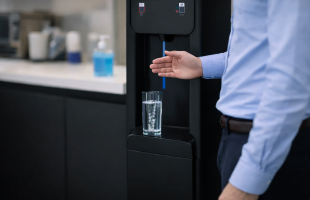
The final step in the process is dispensing. The 3i Pure Water system is engineered for shared workplace environments where hygiene, durability, and ease of use are important.
Features include a CleanContact™ anti-microbial touchpad with an organic coating, an optional touchless foot pedal for hands-free dispensing, an optimal no-bend dispense height, a spacious bottle-fill area, a precision dispense light, and a high-capacity drip tray.
Built for Commercial Reliability
The 3i Pure Water Office Water Fill Station is built with a dent-resistant steel frame designed to withstand daily use in commercial environments. The system weighs 93 pounds and is engineered for stability and durability.
It is tested and certified to industry-recognized standards, including EnergyStar, UL, ISO 9001, ISO 14001, and WQA certifications under NSF/ANSI 42, 58, and 372.
24/7 System Monitoring and Diagnostics
The system includes integrated diagnostics and monitoring that help ensure consistent system performance and water quality. This monitoring supports proactive service and maintenance, reducing the likelihood of unexpected issues.
Why Understanding the Process Matters
Understanding what happens inside a bottleless water cooler helps office managers make informed decisions about water quality, employee hydration, and long-term operating costs.
By purifying water at the point of use, bottleless systems eliminate the logistical challenges of bottled water while delivering consistent, high-quality drinking water throughout the workday.
Professional Installation and Ongoing Maintenance
Proper installation and maintenance play a critical role in system performance. Document Solutions provides professional installation, routine filter replacements, system inspections, and ongoing service support to ensure reliable operation.
Frequently Asked Questions
Is reverse osmosis helpful for purifying drinking water?
Yes. Reverse osmosis systems certified under NSF/ANSI 58 are widely used for drinking water purification in commercial environments.
Can the system support high-traffic offices?
Yes. The 3i Pure Water system is designed with a high-capacity reservoir and chilling system to support frequent use in larger office settings.
Upgrade Your Office Hydration Strategy
Bottleless water coolers provide a cleaner, more dependable alternative to bottled water delivery. With the right system and professional support, offices can enjoy unlimited filtered water without the hassle of deliveries or storage.
To learn more about the 3i Pure Water Office Water Fill Station or to schedule a consultation, call us at (888) 880-3377, or contact Document Solutions online today!