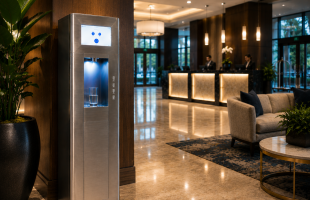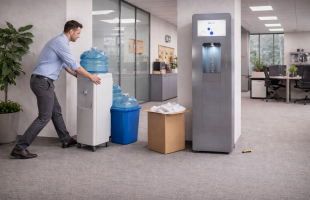

Access to clean, reliable drinking water plays an important role in every school environment. From classrooms and cafeterias to faculty lounges and athletic areas, students and staff rely on water throughout the day to stay refreshed, focused, and productive.
But today, schools are looking beyond basic access to water. They are evaluating how water quality, accessibility, and overall user experience impact student confidence, staff satisfaction, and daily operations.
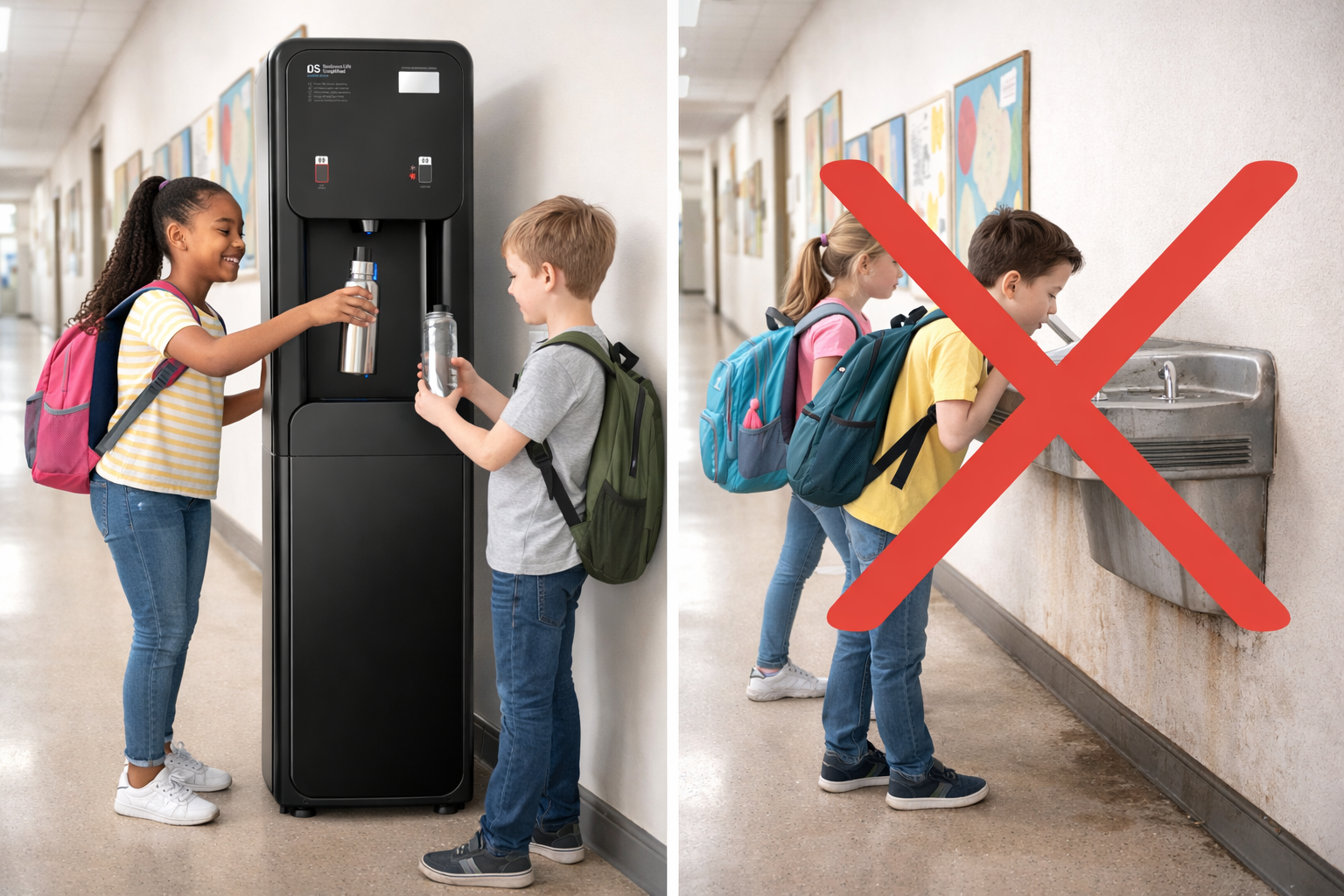
While traditional water fountains have been a long-standing solution, many schools are now upgrading to modern bottleless water cooler systems. These systems offer a more flexible, efficient, and advanced way to deliver high-quality drinking water across campus.
This shift is not just about convenience. It is about providing a more modern, reliable, and higher-quality drinking water solution that aligns with evolving expectations in today’s school environments.
At Document Solutions, we help schools implement bottleless water coolers with advanced filtration and reverse osmosis purification that support a better overall experience for students and staff.
Why Schools Are Re-Evaluating Drinking Water Right Now
Schools today are taking a closer look at how drinking water is delivered across their buildings. This shift is being driven by several key factors:
- Increased attention to drinking water quality in schools
- Growing expectations from parents and communities around school facilities
- A stronger focus on reusable bottle use and accessibility
- Sustainability initiatives aimed at reducing plastic waste
- Interest in systems that go beyond basic filtration and offer advanced purification options like reverse osmosis
As a result, many schools are not just maintaining existing systems. They are actively exploring upgrades that provide a better long-term solution.
The Limitations of Traditional Water Fountains
Water fountains are familiar, but they come with practical limitations that can impact usability and convenience in a school setting.
In many cases, traditional fountains were designed for a different era of water use, before reusable bottles and modern expectations became the norm.
Some common challenges include:
- Limited access points in large buildings
- Difficulty filling reusable water bottles
- Inconsistent water pressure or temperature
- Older infrastructure that may not meet modern expectations
- Increased wear and maintenance over time
- Limited visibility into filtration status or water treatment capabilities
While fountains continue to serve a purpose, they may not always provide the level of flexibility, accessibility, or modernization that schools are now prioritizing.
What Is a Bottleless Water Cooler?
A bottleless water cooler connects directly to a building’s water supply and provides on-demand, purified drinking water without the need for delivered water bottles.
What sets modern systems apart is not just filtration, but the ability to incorporate reverse osmosis purification.
Unlike basic systems that only improve taste, many modern units can include reverse osmosis purification, which uses a semi-permeable membrane to reduce a wide range of dissolved contaminants.
This distinction matters. Standard filtration can improve taste and reduce certain impurities, while reverse osmosis is designed to reduce a broader range of dissolved substances.
This allows schools to move beyond simple filtration and offer consistently high-quality purified drinking water throughout the day.
Why Schools Are Choosing Bottleless Water Coolers
1. Improved Water Quality Through Advanced Filtration and Reverse Osmosis
Water quality is a top priority in any school.
Bottleless systems can be configured with:
- Multi-stage filtration to improve taste and clarity
- Reverse osmosis technology to reduce dissolved impurities such as minerals and certain contaminants as well as purify the water
- UV purification or additional safeguards depending on the system
For schools evaluating water quality, this creates a meaningful difference. This is not just about improving taste. It is about offering a more advanced approach to water purification.
2. Better Support for Reusable Bottles
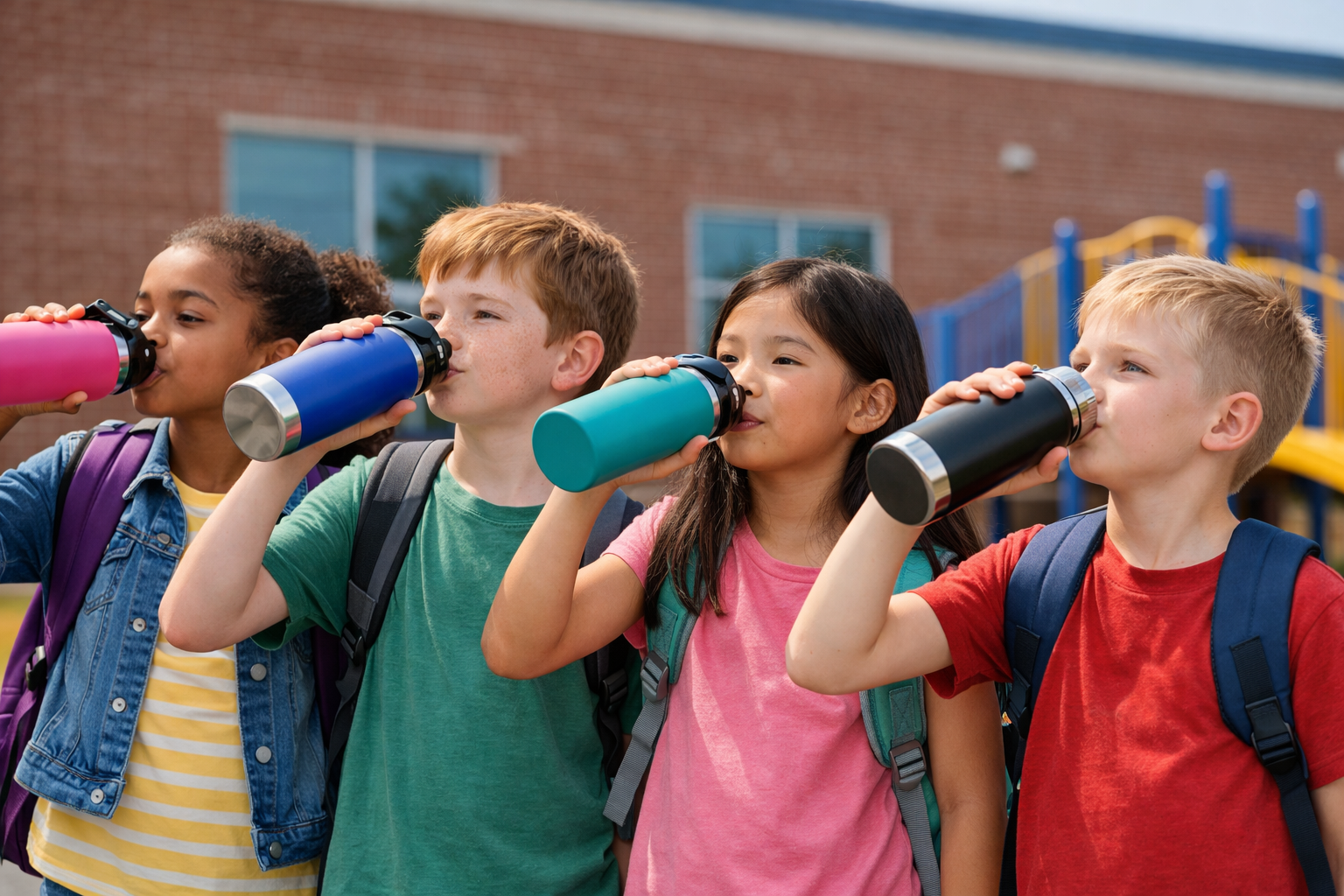
Today’s students and staff often carry reusable bottles throughout the day. Bottleless water coolers are designed to support this shift.
Benefits include:
- High clearance for easy bottle filling
- Faster dispensing compared to traditional fountains
- Reduced spills and improved convenience
In high-traffic school environments, dispensing speed also plays a major role. The XL1 hydration system offers a fast dispense rate of up to 4 liters per minute, allowing students to fill bottles quickly and keep lines moving during busy periods like class transitions or lunch.
Traditional water fountains, by comparison, are not designed for high-speed bottle filling and can slow down access when multiple students need water at the same time.
This aligns directly with how students and staff actually consume water today, making hydration more accessible throughout the school day.
3. Touchless and More Hygienic Design Options
Modern water coolers often include touchless dispensing technology, which helps reduce shared contact points.
Additional hygiene-focused features may include:
- Antimicrobial surface materials
- Self-cleaning functions using activated oxygen
- Enclosed dispensing areas
These features support a cleaner, more modern approach to shared water access, which is increasingly important in high-traffic environments like schools.
4. Consistent Temperature and Better Drinking Experience
Traditional fountains can vary in temperature and pressure. Bottleless systems provide consistent cold and hot water options, creating a more reliable experience.
This consistency encourages:
- More frequent hydration
- Greater satisfaction among students and staff
- A more comfortable school environment overall
5. A More Efficient and Sustainable Solution
Bottleless water coolers eliminate the need for large water bottle deliveries and storage.
This helps schools:
- Reduce plastic waste
- Free up storage space
- Simplify logistics and maintenance
- Support sustainability initiatives
Over time, schools can streamline how water is managed across their buildings while supporting broader environmental goals.
6. Flexible Placement Across Campus
Unlike fixed fountains, bottleless water coolers can be installed in a variety of locations, including:
- Hallways
- Cafeterias
- Teacher lounges
- Administrative offices
- Athletic facilities

This flexibility allows schools to expand access to drinking water beyond traditional hallway fountain locations.
Bottleless Water Coolers vs. Traditional Water Fountains
When comparing both options, the differences are clear:
Bottleless Water Coolers:
- Advanced filtration and reverse osmosis purification options
- Designed for reusable bottle filling
- Touchless and hygienic features
- Consistent temperature control
- Flexible placement throughout the building
Traditional Water Fountains:
- Fixed locations
- Limited bottle-filling capability
- Basic water delivery without advanced purification
- Older designs in many facilities
For many schools, this is no longer a preference decision. It is a modernization decision.
Supporting Student Wellness and Daily Performance

Hydration plays a role in how students feel and perform throughout the school day. When water is more accessible, more appealing, and easier to use, students are more likely to stay hydrated.
Bottleless water coolers help support:
- Better hydration habits
- A more comfortable learning environment
- A positive daily experience for students and staff
Small improvements in access can make a meaningful difference over time.
Frequently Asked Questions
Are bottleless water coolers safe for schools?
Yes. Bottleless water coolers are designed with safety and reliability in mind. Systems can include multi-stage filtration and reverse osmosis purification to support high-quality drinking water.
In simple terms, what is the difference between filtration and reverse osmosis?
Standard filtration improves taste and removes certain impurities, while reverse osmosis uses a semi-permeable membrane to reduce a broader range of dissolved contaminants. Many systems combine both for enhanced performance. Learn more about RO here!
Can students easily fill reusable water bottles?
Yes. Bottleless water coolers are designed with bottle filling in mind, offering higher clearance and faster dispensing compared to traditional fountains.
Do bottleless systems require water deliveries?
No. These systems connect directly to the building’s water supply, eliminating the need for bottled water deliveries and storage.
Where can these systems be installed in a school?
Bottleless water coolers can be placed in multiple locations throughout a school, including common areas, offices, and staff spaces.
Upgrade the Way Your School Provides Water
Schools are evolving, and the way water is delivered should evolve with them. Bottleless water coolers offer a cleaner, more flexible, and more advanced solution compared to traditional fountains.
If your school is looking to improve water quality, expand access, and create a better daily experience for students and staff, it may be time to explore a modern approach. Discover how Document Solutions can help your school upgrade to a bottleless water cooler with advanced purification. To learn more, call us at (888) 880-3377, check out our state contracts and co-ops for water coolers, or fill out the form below!
- Categories: